
Our Process
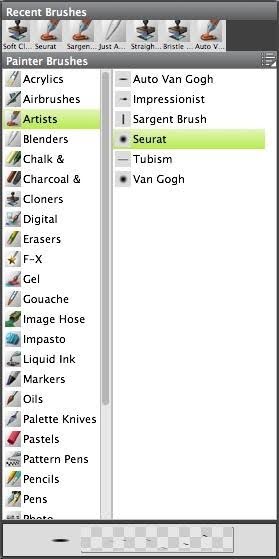
Painter Brushes
As mentioned above, there are over 700 brushes available in Painter by Corel. Michael only uses a small percentage of these brushes. Shown on the left are the various categories of brushes. The green highlighted Artists category is selected on the left column and the right column shows the individual brushes available in that category. Similarly, If you were to highlight each category, the individual brushes would be shown on the right column. This shows the extent of the brushes available.
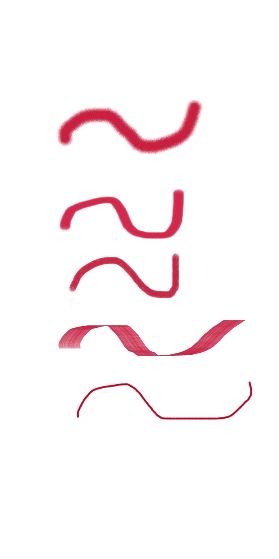
Painter Brushes
Five Example Brush Strokes
1. Pastel , notice the chalky appearance of the brush stroke
2. Watercolor, it’s just a wet brush
3. Oil, much more clarity
4. Palette knife, wide hard stroke
5. Crayon (Each of these strokes were hand drawn by the artist’s wife for demonstration.)
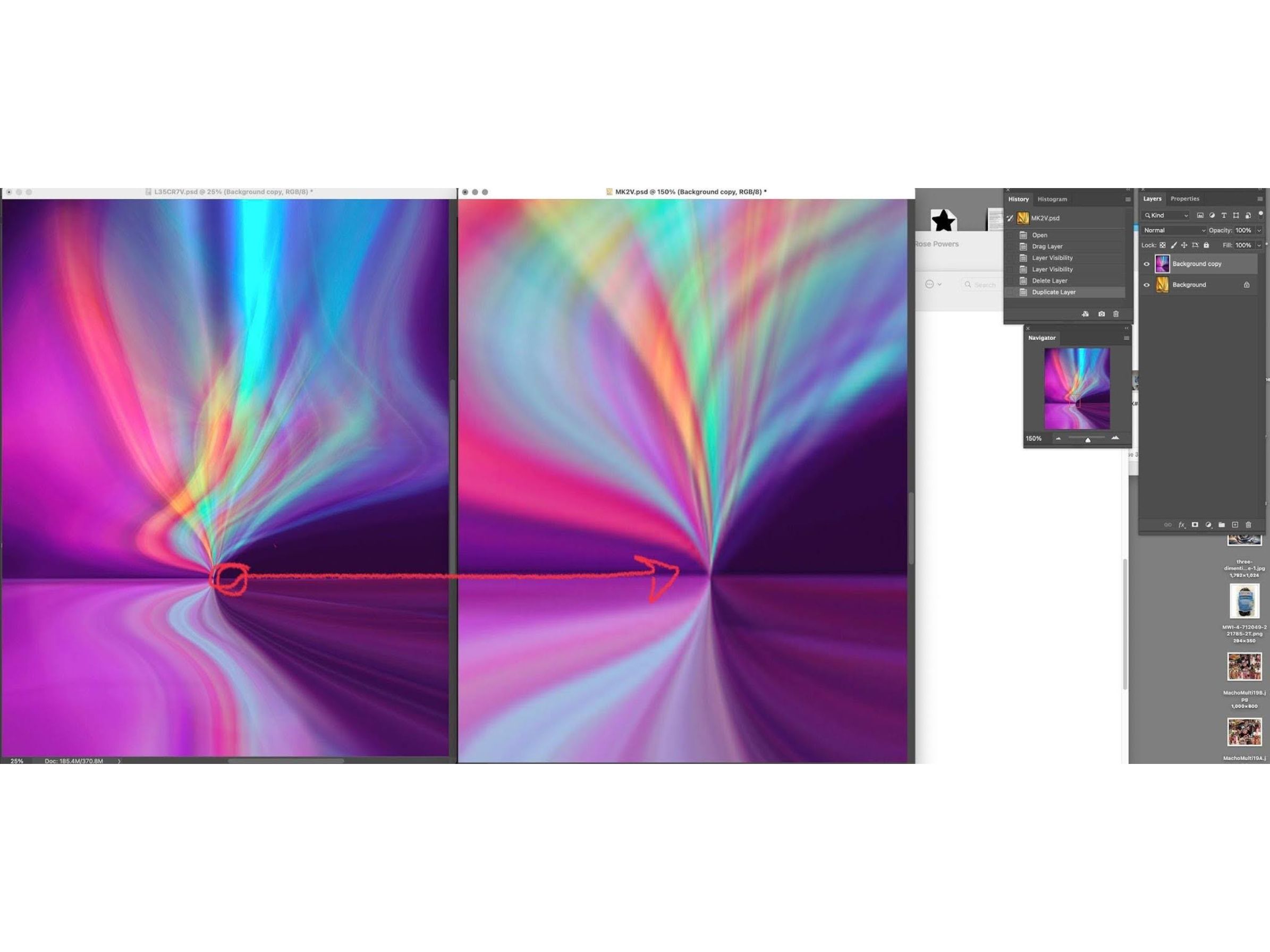
From Digital to Physical
Realizing the piece from the digital world to the physical canvas, paper or metal has its own technicalities, so the artist painstakingly reviews each tiny section of area of the composition before finalizing the piece. The end result is a finished piece of art that leaves the viewer in wonder.
The red drawn arrow points to a specific place from the left image and is shown on the right as a section enlarged to 150% whereby the artist can examine that tiny section for any artifacts or unresolved resolution that might inadvertently show up in the final print. Think of a magnifying glass that has zoomed in on one dot in a larger picture.
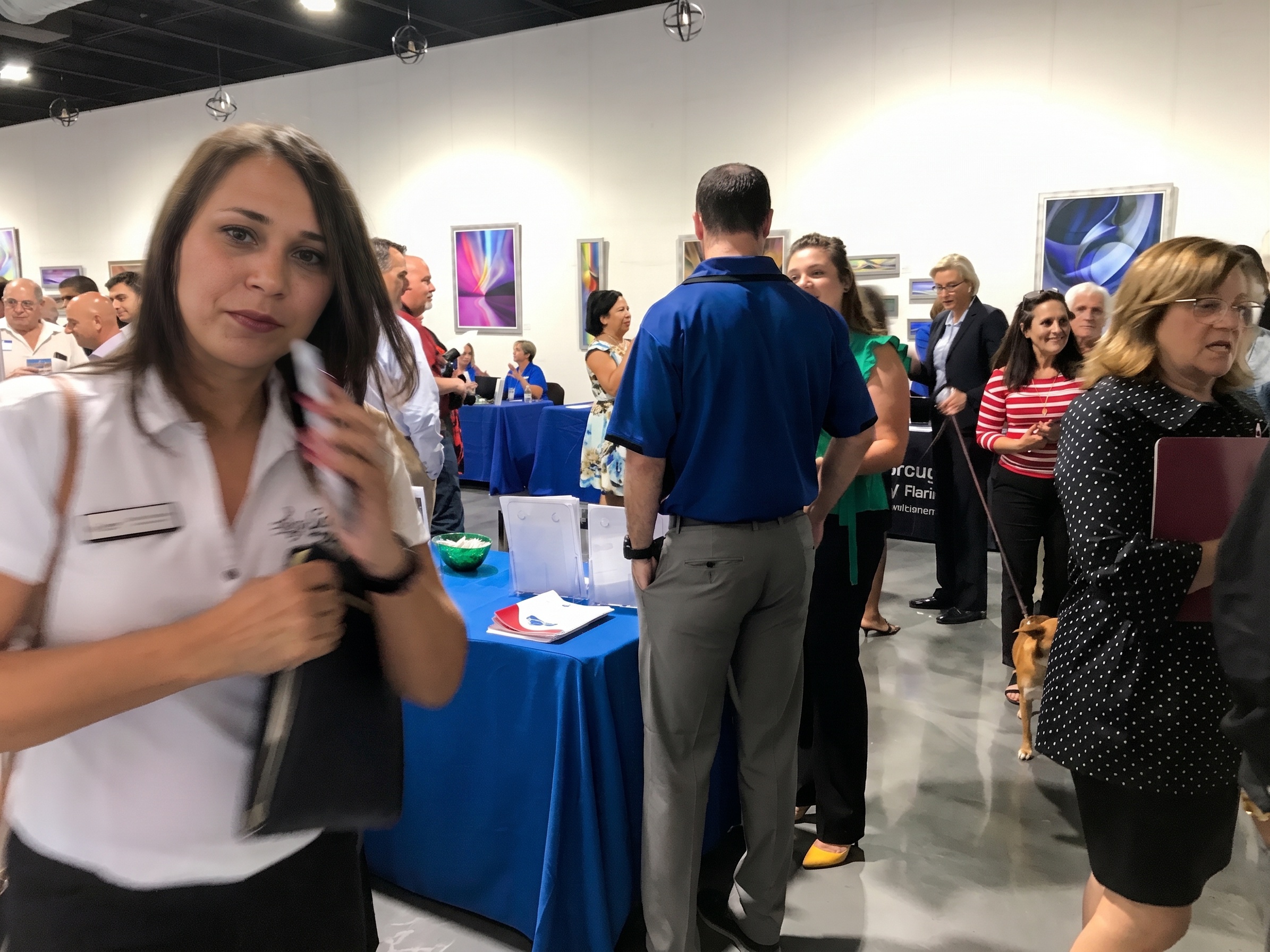
After finalizing the previous step, the finished framed art is shown here in an event at All Arts Studio of Tampa